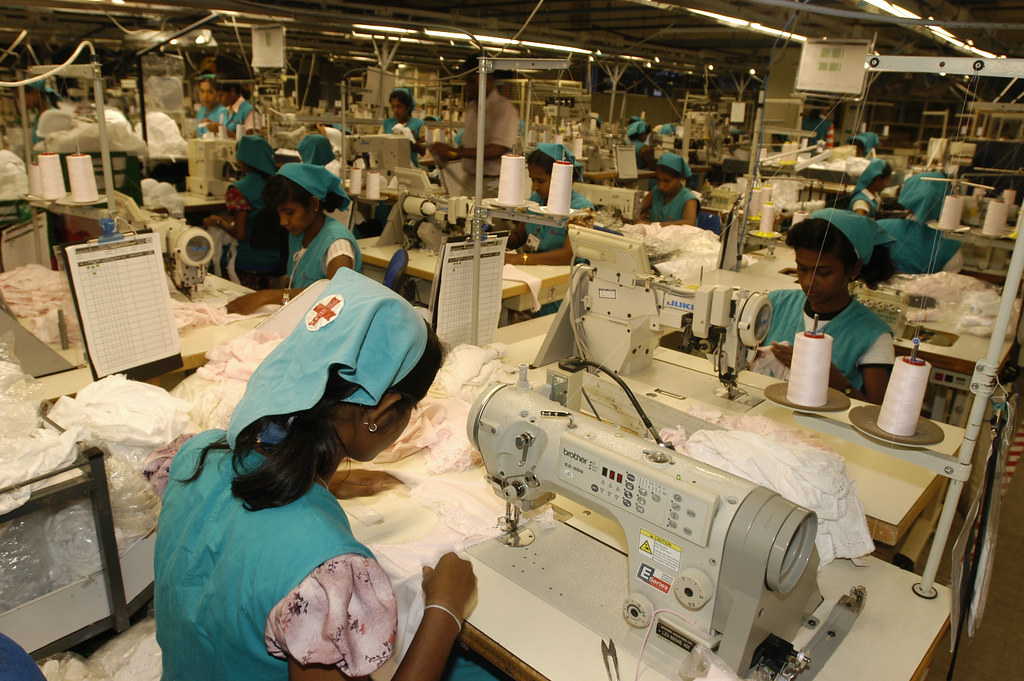
The Indonesian paradise of Bali, a Indonesian island utopia renowned for its stunning landscapes, lively way of life, and friendly cordiality, has transformed into not just an travel hotspot. Over the past few years, it has emerged as a central point for worldwide garment industry, offering an exceptional fusion of time-honored skills and cutting-edge creativity. This article explores the development of Bali apparel sector and its role in preserving cultural legacy while adjusting to worldwide needs.
This story of the island’s apparel trade begins with its prosperous fabric legacy, deeply ingrained in the culture. For centuries, the people of Bali artisans have always been honing the island’s skill of fabricating and coloring, fashioning detailed motifs and designs that represent Balinese religious faith and everyday existence. The age-old tie-dye and wax-resist methods, defined by their ornate designs and colorful colors, have consistently been transmitted across the generations.
While the island of Bali opened its doors to the world, Bali’s skilled artisans realized the business potential of their art. What formerly a cottage industry evolved into a booming garment sector. Local textile workers and craftspeople collaborated with business owners to establish small cloth businesses. This shift signified the beginning of the island’s venture into the international style industry.
One among the singular aspects of the island’s garment industry is its commitment to protecting the island’s distinctive artistic attribute. The Balinese island’s apparel are not only products; they are dressable artistic creations that relate a story. Traditional patterns drawn from the natural world, mythic lore, and spirituality are incorporated into contemporary styles, forming an amalgamation of past and current.
During a period when ecological consciousness is crucial, the island’s clothing sector has also made notable strides. Numerous Balinese brands are committed to eco-friendly practices. Environmentally friendly pigments obtained from vegetation and time-honored tinting processes reduce the carbon emissions. Moreover, indigenous craftspeople utilize eco-friendly fabrics, guaranteeing that production is ecologically sustainable.
What makes the island’s clothing sector apart is its emphasis on handcrafted craftsmanship. Every item is handcrafted with meticulous meticulous attention to details. The island’s craftspeople are proud in their art, ensuring that every garment complies with top-quality standards of superiority. This dedication to craftsmanship is not only a confirmation to their ability but also a reflection of the Balinese island’s strong community spirit and heritage.
Whilst the island’s apparel business stays firmly established in its customs, it has also extended its views globally. The island has turned into a sought-after place for global designers and brands looking for to collaborate with Balinese artisans. This fusion of global design sensibilities and native Balinese craftsmanship has brought about in an assorted variety of goods that appeal to a broad spectators.
Like any field, the island’s apparel sector confronts its portion of difficulties. The COVID-19 outbreak upset worldwide distribution networks, affecting output and trade. Furthermore, the competitive character of the industry requires that enterprises must incessantly create and adapt to changing client preferences.
However, these obstacles have additionally encouraged creativity and adaptability within the clothing business. Numerous businesses have adopted e-commerce platforms, enabling them to access a more extensive viewers outside of Bali’s limits. Furthermore, partnerships with international organizations and initiatives encouraging equitable commerce have aided deal with social and economic challenges within this industry.
As Bali’s garment industry perseveres to evolve, there is a collective dedication to maintaining Bali’s cultural tradition. Craftspeople and entrepreneurs recognize the relevance of transferring traditional methods to upcoming generations. Workshops and training programs have been founded to guarantee that the craft of weaving and dyeing thrives for years to come.
To sum up, the island’s clothing sector is a captivating mixture of custom and innovation. It not just displays the island’s abundant cultural heritage but also reveals its capability to adapt to the ever-changing global clothing scene. The island’s artisans and entrepreneurs have crafted a rich textile that narrates the narrative of Bali, and in the process, they have created a legacy that transcends borders and time.
 Tuan Besar